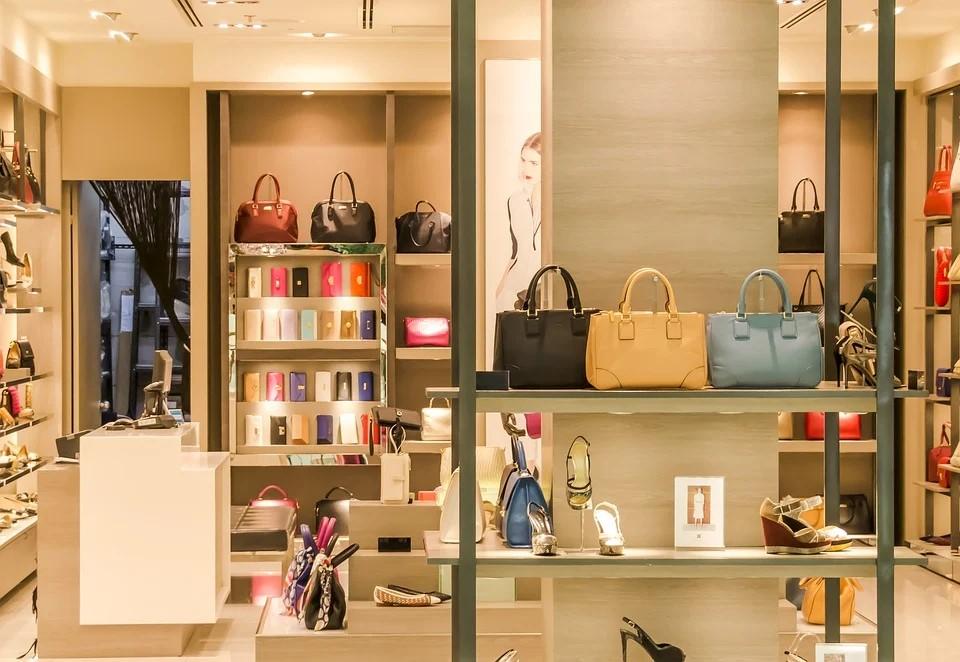
The luxury accessories market represents one of the most vibrant sectors within the global fashion and lifestyle industry. Defined by high‑end products that combine craftsmanship, prestige, and premium pricing, this market includes categories such as designer handbags, luxury watches, jewelry, belts, scarves, eyewear, and other premium fashion accessories that signify status and personal style. As global consumer behavior continues to evolve, the luxury accessories market is undergoing significant transformation driven by sustainability, digital engagement, and demographic shifts.
In this blog post, we will explore key trends, growth drivers, market dynamics, segmentation, consumer behavior, and future outlook for the luxury accessories industry — offering both breadth and depth for your readers.
What Defines the Luxury Accessories Market?
At its core, the luxury accessories market encompasses premium products that are often associated with exclusive brands, meticulous craftsmanship, and elevated price points. These items serve both functional and symbolic purposes — from carrying essentials in a handbag to showcasing personal taste through bespoke jewelry or timepieces.
The market caters primarily to affluent consumers who value quality, heritage, and brand reputation. However, in recent years, aspirational buyers, luxury “testers,” and younger demographics have also influenced how luxury accessories are marketed and consumed.
Market Size & Growth Trends
The global luxury accessories market has demonstrated solid growth in recent years. According to multiple industry insights, the broader luxury fashion and accessories market — which includes accessories as a major component — is projected to grow significantly through the coming decade. Estimates indicate:
- The global luxury apparel accessories market was valued at approximately USD 93.2 billion in 2024, with expectations to grow to about USD 130 billion by 2035 at a CAGR of 3.1%.
- Other research places the luxury apparel and accessories market (including broader luxury fashion items) at around USD 150.75 billion in 2025, with a forecast to exceed USD 253 billion by 2032 at a higher CAGR of ~6.8%.
These figures illustrate that the luxury accessories segment remains resilient, driven by evolving consumer preferences and expanding global demand — particularly in regions with growing affluence and fashion consciousness.
Key Market Growth Drivers
Several key factors have contributed to the ongoing expansion of the luxury accessories market:
1. Rising Affluence and Consumer Spending
The global rise in disposable income, particularly in emerging markets across Asia‑Pacific and the Middle East, has expanded the base of luxury goods consumers. As more high‑net‑worth individuals and affluent middle classes emerge, demand for premium accessories like designer handbags and watches increases.
2. Expansion of Digital Channels
Online sales have become essential to luxury brands. According to market reports, digital channels now account for a significant share of luxury sales, with over 30% of fashion accessories purchased online.
This digital shift has been fuelled by improved e‑commerce platforms, virtual try‑on technologies, and social media engagement — all of which have transformed how consumers discover, evaluate, and purchase luxury accessories.
3. Sustainability and Ethical Luxury
Sustainability has emerged as a major trend in the luxury world. Consumers, particularly Millennials and Generation Z, increasingly prioritize eco‑friendly materials, ethical production, and transparent supply chains. More than 30% of new luxury accessory launches in 2023 incorporated sustainable materials or sourcing practices, underscoring this shift.
This “conscious luxury” trend is reshaping product innovation and brand positioning across the industry.
4. Innovation and Customization
Luxury brands are investing in personalization and bespoke offerings — from monogrammed handbags to tailor‑made jewelry — to differentiate their products in a crowded market. Customization has become both a marketing tool and a source of higher margins.
Market Segmentation: Categories and Consumer Behavior
To understand the luxury accessories market fully, it’s helpful to examine its core segments:
Designer Handbags and Leather Goods
Handbags are one of the most iconic luxury accessory categories. Not only do they generate significant revenue for brands, but they also function as mobile status symbols. In many regional markets such as North America, handbags account for a significant share of accessory sales and are projected to grow robustly into the next decade, driven by fashion trends and digital retail expansion.
Watches and Timepieces
Luxury watches blend craftsmanship with heritage and often appeal to collectors and high‑end consumers. In North America alone, the luxury watch segment was valued around USD 9 billion in 2024 and is expected to grow further.
Timepieces also represent a cross‑category appeal — valued as both fashion accessories and long‑term investments.
Jewelry and Fine Accessories
Jewelry remains a cornerstone of the luxury accessories market. From high‑end bracelets and necklaces to limited‑edition pieces, this segment captures both traditional luxury consumers and newer buyers who appreciate fine craftsmanship and precious materials.
Eyewear, Belts, Scarves, and Other High‑End Items
While smaller than handbags or watches in revenue terms, these categories contribute to the overall luxury ecosystem. They often benefit from trend cycles and brand collaborations — enhancing their appeal as fashion statements.
Emerging Trends and Market Disruptions
The luxury accessories market is far from static. Several emerging trends are reshaping its future:
The Rise of Secondhand and Pre‑Owned Luxury
One of the most notable shifts in recent years has been the rapid growth of the pre‑owned luxury market. Secondhand luxury platforms and consignment boutiques are expanding as buyers seek sustainability and affordability, especially for iconic items like Hermès and Chanel handbags.
This trend has also opened up the luxury category to younger demographics who may not yet afford new high‑end items but want genuine, authenticated pieces.
Digital Innovation and Immersive Commerce
Luxury brands are pioneering digital engagement methods such as augmented reality (AR) — enabling virtual try‑ons — and immersive metaverse experiences. Reports show that over 70% of luxury consumers engage with brands online before purchasing, aiding discovery and conversion.
These digital investments help brands connect with tech‑savvy consumers and enhance personalization.
Sustainability as a Core Value
Across categories, luxury houses are weaving sustainability into product strategies — integrating recycled leather, bio‑based materials, and ethical production methods. This shift isn’t just a trend; it’s becoming a long‑term business strategy to align with consumer values and reduce environmental impact.
Challenges Facing the Luxury Accessories Market
Despite broad growth, the industry is not without challenges:
- Price Sensitivity and Consumer Backlash: Some luxury brands have faced criticism for aggressive price hikes, resulting in slower demand among aspirational buyers.
- Counterfeiting and Brand Protection: Counterfeit luxury accessories continue to erode brand value and customer trust, posing ongoing risks.
- Geopolitical and Economic Disruptions: Regional conflicts and global economic uncertainty can dampen luxury demand in key markets.
These factors underscore the need for agility, innovation, and strong brand‑consumer relationships.
The Future Outlook: What’s Next for Luxury Accessories?
Looking ahead, the luxury accessories market is poised for continued evolution:
- Steady Growth: Forecasts suggest continued market expansion and recovery, even where segments have experienced downturns in recent years.
- Gen Z and Millennial Influence: Younger buyers will increasingly shape product design, sustainability standards, and digital engagement expectations.
- Omni‑Channel Integration: Seamless integration of physical retail, e‑commerce, and immersive digital experiences will become standard.
- Luxury Resale and Circular Models: As resale continues to grow, brands may innovate new ways to incorporate authenticated used goods into their business models without diminishing exclusivity.
Final Thoughts
The luxury accessories market remains one of the most dynamic and influential segments of the global fashion industry. Driven by technological innovation, evolving consumer values, and expanding global affluence, luxury accessories continue to capture imagination and buying power worldwide. Whether through iconic handbags, artisanal jewelry, or digital fashion experiences, this market offers endless opportunities for brands and consumers alike.
For brands, understanding these trends and aligning with consumer expectations around sustainability, digital engagement, and personalization will be key to long‑term success. For consumers, the luxury accessories market continues to present aspirational products that define style, status, and individuality.