







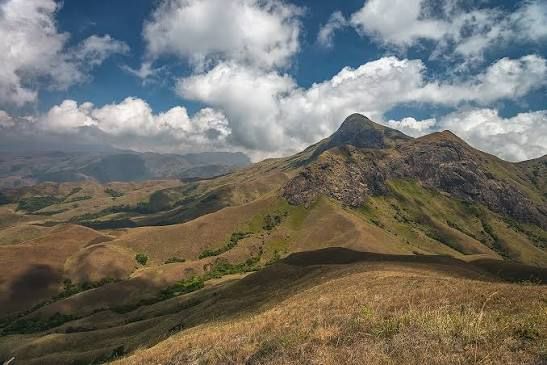
The monsoon season transforms the Western Ghats into a living work of art. Photographers need to adopt different techniques to capture the Western Ghats during the monsoon, as the landscape changes constantly due to the rain, the mist, and the reappearance of sunlight after heavy rainfall.
Although weather conditions may be unpredictable, the opportunities that they create for capturing stunning images of waterfalls, details of foliage, and other splendid scenes should be taken into account. Moreover, one should think in advance about the region chosen, take precautions to protect camera equipment, and understand how rain can affect the light being used. Thus, the outcome of the trip can be more successful if planned wisely and effectively.
Why the Western Ghats shine in the rain
From June to September, the area turns into a paradise full of life and energy. Beautiful landscapes appear before the eye and provide a perfect image for aspiring photographers. Weather helps to capture some special views since flat and sunny landscapes look boring and dull when compared to the beauty created by light rain showers.
Choosing the right stretch of the Western Ghats
The mountains stretch for over 1,500 km; hence, the choice of region makes the journey easier. In Maharashtra, there are Malshej Ghat and Bhandardara, which are known for their beautiful waterfalls and foggy mountains. Both are a few hours away from Mumbai or Pune.
Karnataka includes Coorg and Chikmagalur with its coffee plantations. Kerala has Munnar and Wayanad, which are famous for tea plantations. Pick one or two regions so you can see them properly instead of rushing to visit all of them.
Timing the trip in the Western Ghats for the best conditions
The heaviest rain and the greatest number of waterfalls will happen in July and August. Roads will be slippery and sometimes blocked by landslides. In early September, one can get the best of the two worlds – lush greenery and milder weather. Be sure to check the weather report before setting off. Alerts are also available in the local news and can help avoid dangerous parts of the road.
Packing camera gear that survives the rain in the Western Ghats
Water stands out as the worst threat to photographers’ tools. A protective camera case may still relieve some problems, but it is better to be safe than sorry. It is advisable to have a rain cover, a few microfibre towels, and a small pack of silica gel in the camera bag.
A short checklist keeps things simple:
- A rain cover or waterproof camera sleeve
- A lens hood to keep droplets off the glass
- A tripod with firm rubber feet
- A polarising filter to reduce glare on wet leaves
- Dry bags for lenses and spare batteries
Phone photographers should carry a waterproof pouch and a lens cloth.
Subjects worth chasing in the Western Ghats
Waterfalls top the list of must-see destinations: Dudhsagar, Jog Falls, and Thoseghar are stunning waterfalls during the monsoon. Take care to reach early, as it gets crowded soon. Small things also offer opportunities for patient photographers. Look out for dew on spider webs, mushrooms on forest floors, and bright frogs around streams. Villages hidden in hills are also interesting subjects – especially during the harvesting season.
Staying safe on wet mountain roads
Safety is more important than any photograph. Avoid standing near fast-moving streams and never cross flooded streams. Many accidents occur every season due to slippery rocks around waterfalls.
Drive slowly, and avoid travelling at night on ghat roads. Keep a power bank, torch and basic first-aid kit at hand. Sharing the travel route with friends or hosts is a good safety measure.
Food that keeps energy high in the Western Ghats
Monsoon days call for warm, comforting meals. Roadside stalls offer freshly fried onion bhajjis and hot masala tea after long drives in the rain. Meals in thalis from Maharashtra and Karnataka include fresh veggies, lentils, and fluffy rotis. Meanwhile, Kerala serves appams, veggie stew, and sadya plates on banana leaves. Always bring snacks during trips, as road stretches may not have many eateries.
Planning your hotel stays in the Western Ghats wisely
Accommodation shapes the whole trip. Booking hotel stays close to key viewpoints reduces travel time, which matters when roads are slow and light changes quickly. Properties with large windows or balconies let guests capture misty mornings without stepping outside.
Look for stays with covered parking, a drying area for wet gear, and early breakfast options. Monsoon is a quieter season, so rooms are easier to find, but weekends near popular spots still fill up.
Final thoughts
The best pictures of monsoon season can be taken not by rushing after famous sites, but rather by observing the scenery carefully. Whether it is a beautiful ridge covered in haze or water flowing over dark stones, anything can be a great photo opportunity. Good organisation means not only paying attention to creative opportunities but also making wise decisions about road conditions, protecting your gear, and staying safe. Keeping your route flexible can tremendously help with taking great shots.